India’s new ambassador to Iran seeks to deepen ties amid shifting geopolitical dynamics
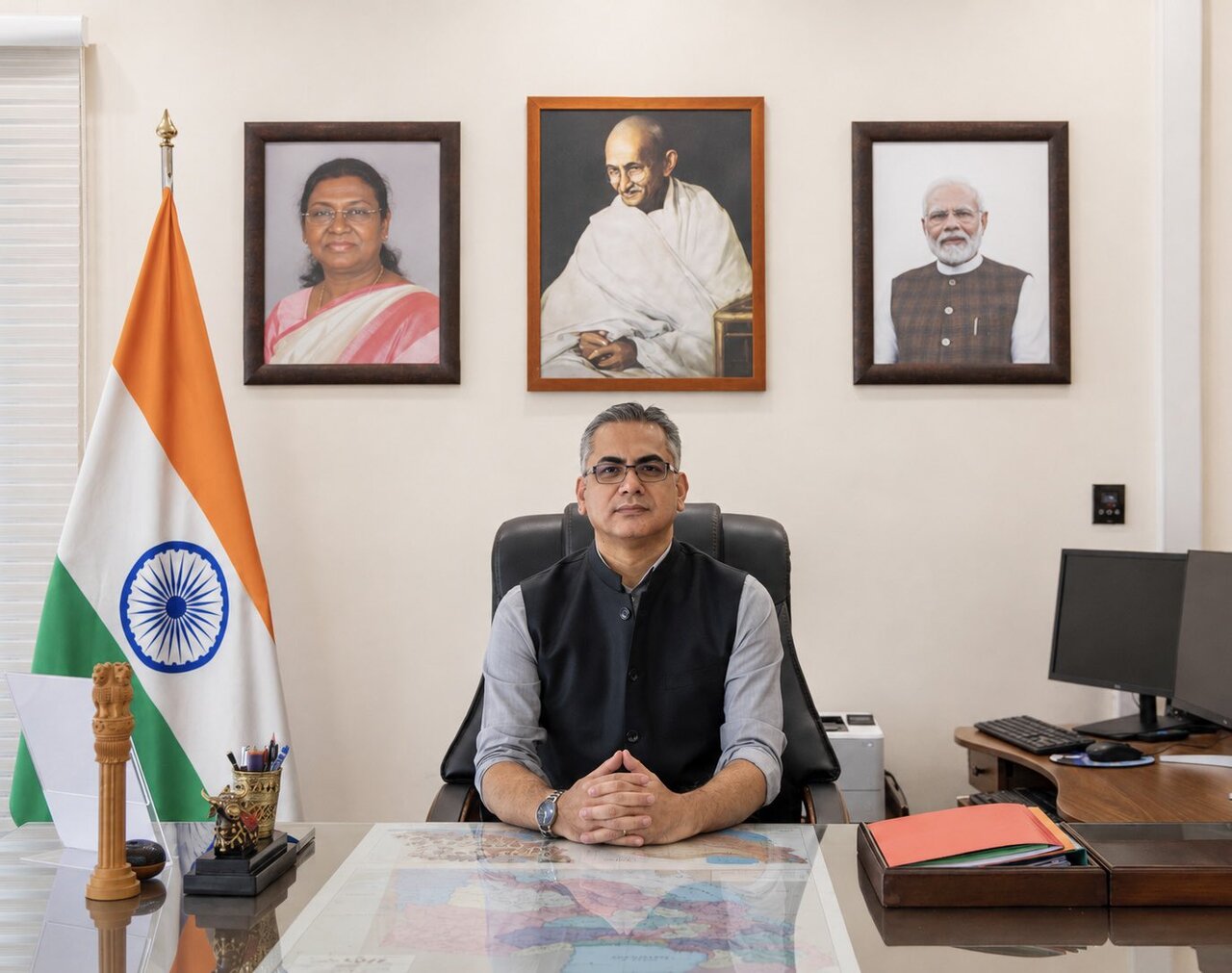
TEHRAN — India’s Ambassador-designate to Iran, Vishwesh Negi, met with a senior Iranian Foreign Ministry official on Sunday to explore avenues for boosting relations between New Delhi and Tehran.
“H.E. Shri Vishwesh Negi, Ambassador-designate of India to Iran, met H.E. Mr. Mohammad Reza Bahrami Taqanaki, Director General, South Asia Division, Ministry of Foreign Affairs of Iran,” the official X (formerly Twitter) account of the Embassy of India in Iran posted. “The meeting provided an opportunity to discuss India-Iran relations and further strengthen bilateral cooperation.”
Earlier, Negi presented a copy of his credentials to Ali Akbar Nazari, Director General of Protocols at the Iranian Foreign Ministry.
Negi is a veteran diplomat with extensive experience in political, security, and multilateral affairs. His career includes postings at Indian diplomatic missions in Tehran, Rome, and London, as well as senior positions at India’s Ministry of External Affairs (MEA), where he handled portfolios covering Pakistan, Afghanistan, Iran, the United Nations, and the Indo-Pacific. He also served as Joint Secretary for International Cooperation at India’s Ministry of Defense.
Navigating regional turbulence
Given Negi’s extensive security and diplomatic background, his appointment comes at a crucial juncture for India-Iran strategic and economic ties amid ongoing instability in West Asia, in the wake of the US military adventurism.
Amid heightened regional hostilities, New Delhi has consistently advocated for dialogue and de-escalation, reiterating its principled stance against armed conflict. This position was underscored by Indian Prime Minister Narendra Modi during his recent bilateral meeting with Iranian President Masoud Pezeshkian on the sidelines of the 26th Shanghai Cooperation Organization (SCO) Summit and the SCO Plus meeting in Bishkek, Kyrgyzstan, on August 31.
“We must redouble our efforts to establish peace. I firmly believe that, ultimately, peace and security will prevail,” Prime Minister Modi told his Iranian counterpart during the discussions.
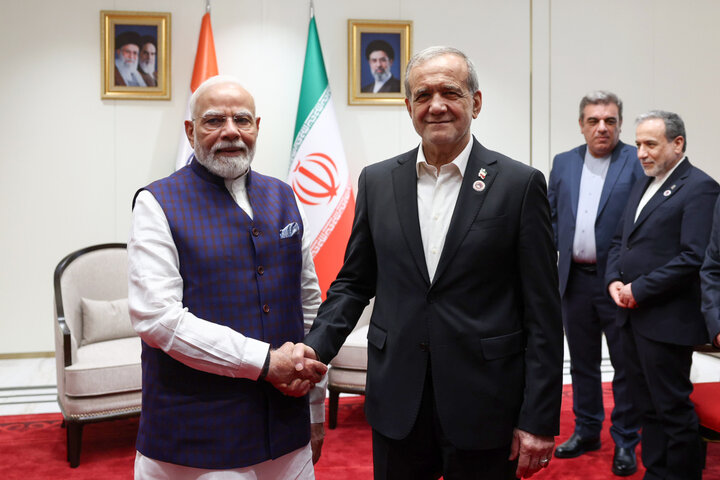
President Pezeshkian welcomed Modi’s stance, expressing appreciation for India’s engagement and support for diplomatic pathways to resolve regional crises. Emphasizing the need to intensify multilateral efforts to restore stability, the Iranian president urged New Delhi to continue leveraging its diplomatic capital for peace.
Highlighting the deep civilizational, cultural, and historical links between the two countries, both leaders reaffirmed their commitment to expanding cooperation across trade, energy, connectivity, and cultural exchange.
India’s constructive engagement was also reflected at the multilateral level: Prime Minister Modi joined other SCO leaders in endorsing the “Bishkek Declaration” on September 1, 2026, which condemned the US and Israel’s war on Iran that began on February 28. Modi also endorsed the adoption of the Tianjin Declaration a year prior, on September 1, 2025, which reiterated the imperative of upholding international law and the principles of the UN Charter following the US-Israeli aggression against Iran in June that year.
From a strategic perspective, New Delhi’s dual endorsements in Bishkek and Tianjin reflect an evolving posture within non-Western multilateral architectures. By aligning with joint statements that defend sovereignty and international law, India reinforces its traditional commitment to strategic autonomy. Tehran, on the other hand, views India’s diplomatic weight not only as an essential balancer in Eurasian geopolitics, but also as an indispensable partner in pushing back against unilateral coercive measures and militarism in West Asia.
The BRICS summit and strategic connectivity
Against this backdrop, Negi’s appointment serves as a pivotal bridge between New Delhi’s top-level political commitments and their practical implementation on the ground. By dispatching an envoy with deep expertise in defense diplomacy and regional security, India is positioning its mission in Tehran to actively operationalize directives on maritime security, trade corridors, and regional stabilization.
This diplomatic engagement carries immediate significance as India prepares to host the 18th BRICS Summit in New Delhi on September 12–13. As full BRICS partners, India and Iran share strategic interests in strengthening South-South economic cooperation and accelerating key connectivity initiatives—most notably the International North-South Transport Corridor (INSTC).
At the heart of this bilateral convergence lies the strategic port of Chabahar, India’s gateway to landlocked Central Asia and Afghanistan, and a cornerstone of the INSTC framework. For New Delhi, securing long-term operational resilience at Chabahar and de-risking regional maritime supply lines in the Sea of Oman and the Persian Gulf require seasoned defense-diplomatic coordination—a capability central to Negi’s institutional background.
Furthermore, with both nations actively exploring local-currency settlement mechanisms to circumvent unilateral Western sanctions, Negi’s tenure will be critical in translating shared political will into sustainable economic channels. Negi’s appointment also provides the vital diplomatic momentum needed to translate the consensus reached between Modi and Pezeshkian into tangible outcomes at the upcoming summit in the Indian capital, reinforcing India’s role as an active partner in West Asian stability and Eurasian integration.
Leave a Comment